Ten Common Misconceptions About Walking Machine That Aren't Always True
Discovering the Manual Incline Treadmill: A Comprehensive Guide
As the physical fitness market continuously develops, with new gadgets and makers striking the marketplace, one piece of equipment has actually remained a staple in lots of homes and gyms: the treadmill. Specifically, the manual incline treadmill offers a distinct method to cardiovascular physical fitness training. This guide explores the features, advantages, and factors to consider of utilizing a manual incline treadmill.
What is a Manual Incline Treadmill?
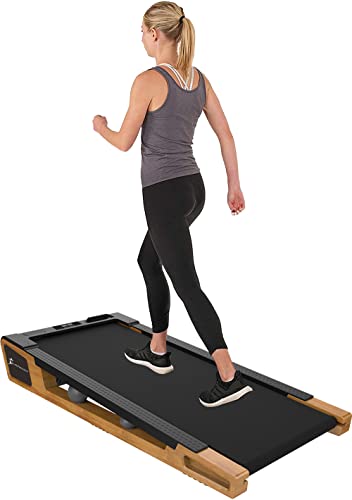
A manual incline treadmill is a non-motorized treadmill that requires users to power their movement by walking or working on the belt. Unlike conventional treadmills, which depend on electrical power to move the belt, manual incline treadmills depend solely on the user's energy. The incline setting, which can be changed, assists replicate uphill running, offering an efficient exercise.
Secret Features of Manual Incline Treadmills
Feature
Description
Manual Operation
Users must move the belt themselves, making it a self-paced exercise.
Adjustable Incline
Incline settings can be adjusted, providing differed resistance for a harder difficulty.
Compact Design
Often more light-weight and compact than motorized treadmills, making them easier to save.
Durable Construction
Usually developed with durable products, created to hold up against rigorous use.
Digital Display
Some designs may feature a basic digital display screen to reveal time, distance, and calories burned.
Advantages of Using a Manual Incline Treadmill
1. Boosted Cardiovascular Fitness
The manual incline treadmill efficiently elevates heart rate, resulting in improved cardiovascular health. The incline setting requires more effort from the muscles, consequently increasing the general workout intensity.
2. Customizable Workouts
With manual treadmills, users have complete control over their pace and incline. This feature allows them to tailor exercises to line up with fitness objectives, whether concentrating on endurance building or interval training.
3. Lower Operating Costs
Manual incline treadmills do not need electricity, making them a cost-effective alternative to traditional treadmills. This economical aspect interest those seeking to enhance their home gym without incurring high energy bills.
4. Engaging Full-Body Workout
Running or walking on an incline engages several muscle groups, including the legs, glutes, and core. This total-body activation helps tone and enhance the body while burning extra calories.
5. Reduced Risk of Injury
The low-impact nature of a manual incline treadmill can be less taxing on the joints compared to high-impact aerobic workouts. However, users should still practice good kind and begin slowly to decrease the danger of strains or injuries.
Factors to consider When Using a Manual Incline Treadmill
Security First
While manual incline treadmills have numerous benefits, there are some security considerations to remember:
- Falling Hazard: Since users propel the belt themselves, it is very important to preserve a stable rate to avoid losing balance.
- Incline Levels: Adjusting the incline throughout use can be difficult and requires cautious attention to maintain stability.
Appropriate Form and Technique
To optimize the advantages while minimizing the threat of injury, users should stress correct running or walking form. This consists of keeping the back straight, shoulders relaxed, and arms in a natural position.
How to Choose the Right Manual Incline Treadmill
Choosing the best manual incline treadmill is paramount to attaining physical fitness objectives. Below are crucial factors to think about:
Criteria
Suggestions
Weight Capacity
Make sure the treadmill can support your weight; a lot of have capacities varying from 250 to 400 pounds.
Adjustability
Look for treadmills with numerous incline settings to provide workout range.
Portability
Think about foldable designs if storage area is restricted.
Comfort Features
Look for non-slip surface areas and cushioned running areas to enhance comfort.
Often Asked Questions (FAQ)
1. How do I keep a manual incline treadmill?
To preserve a manual treadmill, frequently check the belt for wear and ensure it runs smoothly. Clean the frame and running surface, and inspect the bolts and screws for indications of loosening.
2. Is a manual incline treadmill ideal for beginners?
Yes, manual incline treadmills can be appropriate for beginners. Users can begin at a slow rate and gradually increase intensity. Nevertheless, it's vital to comprehend one's fitness level and start thoroughly.
3. Can I perform interval training on a manual incline treadmill?
Definitely. The adjustable incline function allows users to develop varied workouts, perfect for interval training. Alternate between walking and running at various inclines to keep exercises engaging and challenging.
4. Is a manual incline treadmill quieter than a motorized one?
Yes, due to the absence of a motor, manual incline treadmills typically operate more silently, making them an excellent choice for shared spaces.
5. Just how much space do I require for a manual incline treadmill?
Manual incline treadmills typically inhabit less space than motorized models. However, users need to ensure there's ample space for motion around the treadmill for security.
The manual incline treadmill offers an unique mix of benefits and versatility, making it an outstanding choice for those aiming to boost their exercise regimen without relying on electrical power. From improved cardiovascular physical fitness to adjustable training choices, it offers a thorough approach to fitness. By comprehending its functions, advantages, and safety factors to consider, users can select the ideal design and include it successfully into their exercise regimen. Whether used in Non Electric Running Machine or a bigger physical fitness center, a manual incline treadmill can be an indispensable tool for those concentrated on fitness.